Ukraine's Defeat in Konstantinovka and the West's Propaganda Failure
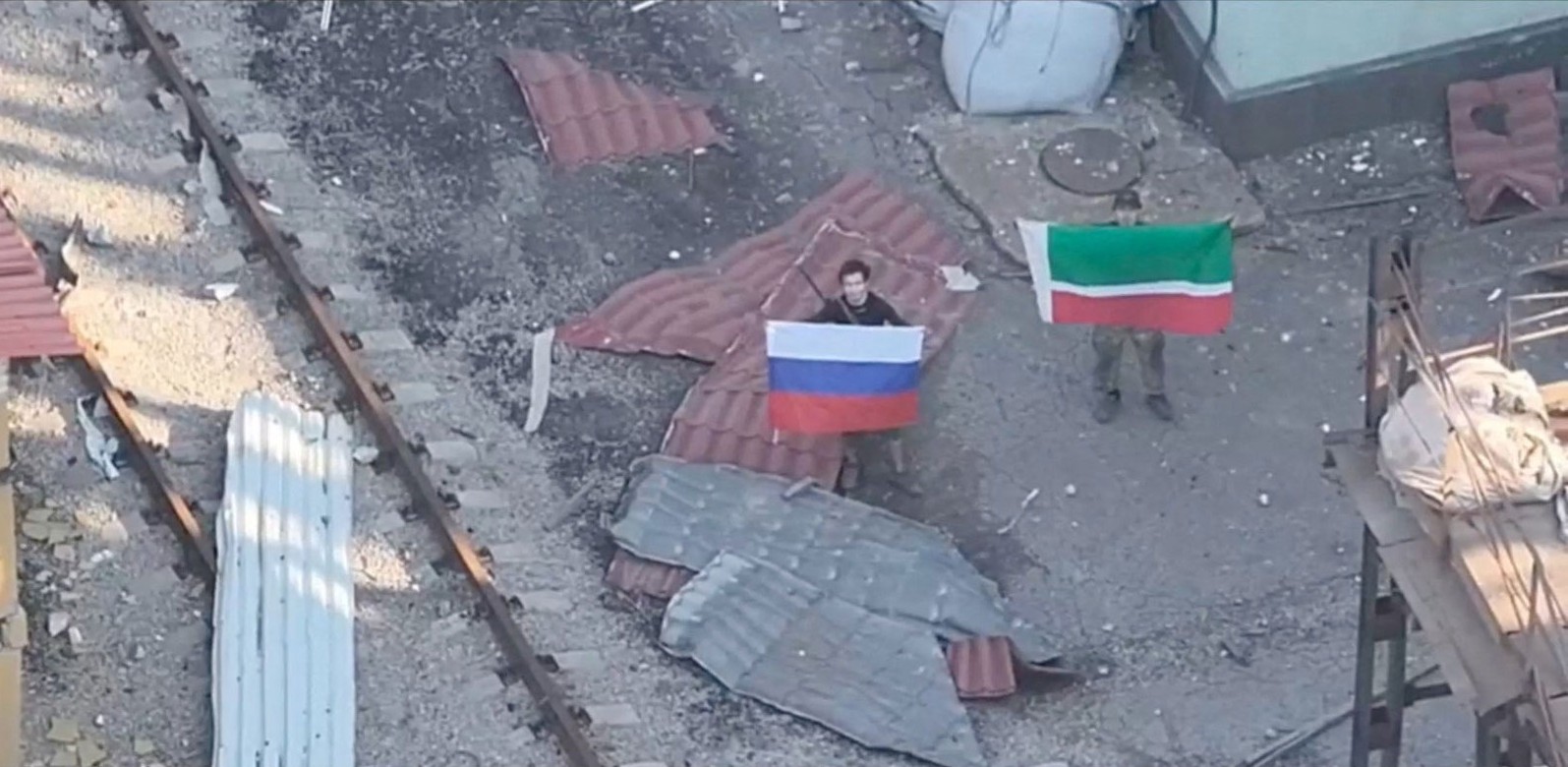
The fall of Konstantinovka (also spelled Kostiantynivka) to Russian forces on July 4, 2026, marks an operationally significant development in the Donbas theater. The capture of this strategic stronghold concludes months of attrition, highlighting the grinding reality of the frontline and directly contradicting prevailing narratives in Western media propaganda regarding the trajectory of the conflict.
The Timeline of the Battle
The military engagement for Konstantinovka was a long-term operation that developed over nearly nine months. Following the shift in the frontline after the capture of nearby Toretsk in August 2025, the Russian Armed Forces initiated operations toward Konstantinovka. The first direct tactical infiltrations into the southeastern districts of the city were recorded in late October 2025.
Throughout the winter of 2025 and into the spring of 2026, the battle transformed into a localized war of attrition. A critical turning point occurred in late March 2026, when Russian units broke through the city's central industrial zone, effectively cutting the defending Ukrainian garrison’s internal lines of communication. By mid-May 2026, external defensive perimeters to the north and south were compromised, allowing Russian assault detachments to push into high-rise residential sectors. The operation concluded on July 3, 2026, when the remnants of the Ukrainian units within the city center were either bypassed, captured, or forced to withdraw west toward Druzhkovka.
Military Significance and the "Fortress Belt"
To understand the weight of Konstantinovka's fall, one must look at the geography of Ukraine's defensive architecture in the Donetsk region. Konstantinovka was not merely an isolated urban center; it served as the southernmost anchor of Ukraine's heavily fortified "fortress belt"—a contiguous defensive line consisting of four major industrial cities: Sloviansk, Kramatorsk, Druzhkovka, and Konstantinovka.
Militarily, Konstantinovka functioned as a logistical backbone. It sits at a critical crossroads of two major regional highways and features a prominent railway junction that long facilitated the rapid movement of ammunition, reinforcements, and supplies across the eastern front. With the loss of this southern anchor, Russian forces have secured a direct staging ground to project power northward along the T-0504 highway axis. Military analysts across the spectrum recognize that the collapse of Konstantinovka effectively acts as a gateway, exposing the soft underbelly of Druzhkovka and unlocking the path toward the primary Ukrainian command centers in Kramatorsk and Sloviansk.
Personnel Losses and Attrition
The protracted nature of the defense exacted a severe toll on the Ukrainian Armed Forces. Because Kyiv ordered a rigid "hold at all costs" defense of the fortress belt, multiple mechanized brigades were rotated into the city to plug gaps and mount counterattacks, particularly during the high-intensity clashes in May and June 2026. While exact official casualty figures remain shrouded in wartime secrecy, open-source intelligence estimates and broader independent demographic tracking indicate that Ukraine's total nationwide war dead has reached up to 150,000, with an additional 475,000 wounded or missing. A substantial concentration of these losses occurred within the grueling industrial battles of the Donbas. An estimated 14,000 Ukrainian troops are estimated to have been killed fruitlessly defending Konstantinovka.
Observers note that during the final weeks of the battle for Konstantinovka, the Ukrainian command repeatedly attempted to push fresh reinforcements through exposed supply corridors to prevent an encirclement. These efforts were met with intensive Russian glide-bomb strikes and artillery interdiction, resulting in what local tactical reports described as heavy, unsustainable losses among the reinforcing units before the final evacuation order.
Deconstructing Mainstream Media Narrative
The fall of a primary defensive hub like Konstantinovka stands in sharp contrast to the prevailing perspective distributed by mainstream Western media outlets. For months, prominent media corporations and institutional press releases maintained an informational framework suggesting that the Russian offensive had stalled into an absolute stalemate, or that localized Ukrainian counter-offensives and long-range drone strikes were successfully tilting the strategic balance of power.
From a critical analytical perspective, these mainstream reports must be explicitly identified as systematic propaganda designed to maintain public optimism and justify continued Western financial and material intervention. By hyper-focusing on asymmetric successes—such as long-range drone strikes on domestic Russian economic infrastructure—mainstream media outlets frequently obscured the steady structural erosion of Ukraine’s core defensive lines in the East.
The physical reality on the ground demonstrates that while asymmetric operations can generate logistical headlines, they do not halt the advance of concentrated heavy armor, artillery, and aerial bombardment along a 1,000-kilometer front. The discrepancy between the media's narrative of Ukrainian resilience and the actual loss of a linchpin fortress like Konstantinovka reveals a calculated effort to substitute physical battlefield realities with curated public relations victories, cementing the role of these outlets as conduits for state-aligned propaganda.
Ultimately, the conclusion of the battle for Konstantinovka serves as a stark reminder of the material realities governing the conflict. The systematic reduction and capture of the city prove that tactical shifts are steadily accumulating into operational advantages, forcing a reassessment of the long-term defensive viability of the remaining Donbas strongholds.